Agenda
Tuesday, October 7, 2025
8:00 a.m. – 5:00 p.m.
Moot Court Competition Central Bank Center Room 12
Preliminary Rounds: 11:00, 1:30, 3:30.
8:00 p.m. – 10:00 p.m.
Networking Event: Happy Hour hosted by the EMLF Young Professionals Committee
Bluegrass Tavern 115 Cheapside St.
All are welcome!
Wednesday, October 8, 2025
8:00 a.m. – 9:00 a.m.
Continental Breakfast
Plenary Session All Wednesday sessions held in Meeting Rooms 12 and 13.
8:45 a.m. – 9:00 a.m.
Conference Welcome and Announcements
Stefanie Lepore Burt
EQT Corporation
EMLF President
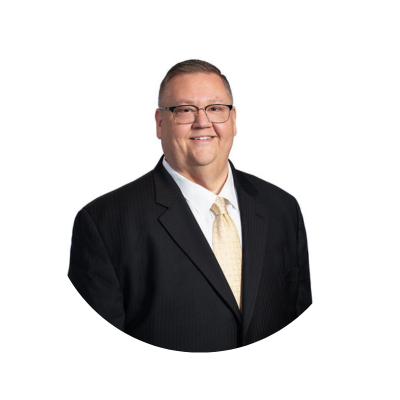
Ryan Purpura
Blank Rome

Candace Smith
Steptoe & Johnson PLLC
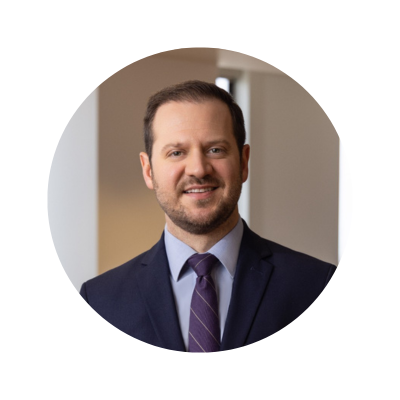
Benjamin Verney
CNX Resources Corporation
9:00 a.m. – 9:30 a.m.
Market Update
This presentation will explore the rapidly evolving landscape of energy markets, highlighting key trends shaping supply, demand, and pricing, including the impact of regulatory changes and global tariffs.

9:30 a.m. – 10:30 a.m.
Ethics: Cybersecurity, Artificial Intelligence & Attorney Ethics
This ethics CLE will educate attorneys on the need to engage in safe cybersecurity practices. The CLE will provide an overview of the many different kinds of cybersecurity threats which attorneys and their clients face, and explain common sources of cybersecurity breaches. The CLE will then present best practices to promote cybersecurity. Throughout the course of this CLE, we will review applicable ethical rules and considerations, and explain how cybersecurity implicates attorney ethical duties. This CLE will address cybersecurity issues of particular concern to the energy industry. Attendees will also learn about the role of artificial intelligence in cybersecurity.
10:30 a.m. – 10:45 a.m.
Hosted Break
10:45 a.m. – 11:15 a.m.
Reconciling Carbon Sequestration with Mineral Development
This presentation will examine legal issues associated with injection into depleted or producing mineral formations, including coal seams and coalbed methane formations. It will cover potential surface-use and subsurface conflicts and potential issues arising under oil and gas leases.

11:15 a.m. – 11:45 a.m.
The End of Prohibition: Marijuana Comes to the Workplace
At least 33 states have authorized the use of medical cannabis. At least 18 states have “legalized” the recreational use of cannabis. To date, federal law continues to classify cannabis as a Schedule 1 substance defined as “drugs with no currently accepted medical use and a high potential for abuse.” The conflicting legal regimes create uncertainty for employers. This presentation will review state and federal laws relating to cannabis and discuss some noteworthy court decisions.
11:45 a.m. – 1:15 p.m.
Lunch Break
Box Lunches are available. Attendees are encouraged to attend the Moot Court Semi-Finals.
1:15 p.m. – 2:00 p.m.
Legacy Risks: Valuation, Transfer, and Legal Developments
In this presentation, actuaries and claims professionals from Milliman will discuss methods and options for valuing and financing latent, long-term claims arising out of the energy sector. We will focus primarily on Federal Black Lung claims and will walk through the primary financing mechanisms of commercial insurance and self-insurance. The presentation will include a discussion of recent federal Circuit Court decisions involving funding and financial responsibility for these types of claims. We will extend the discussion into other areas of liabilities such as asbestos and PFAS and provide examples of alternative ways to shore up the balance sheet including IBTs, LPTs, and reinsurance commutations. No actuarial knowledge needed to enjoy and learn!


2:00 p.m. – 2:45 p.m.
Regional Data Center Development
Building on the discussion of data centers at the EMLF Annual Institute in June, this panel presentation will take a closer look at recent data center projects, highlighting development strategies and challenges. Additional panelists have been invited.
2:45 p.m. – 3:00 p.m.
Hosted Break
3:00 p.m. – 3:30 p.m.
EPIC: Kentucky’s Energy Planning and Inventory Commission
In 2024, the Kentucky Legislature created the Energy Planning and Inventory Commission to review proposed power plant retirements prior to submission to the Public Utility Commission. This topic addresses the factors that influenced the creation of the commission and how similar states may be addressing the same issues, as well as the makeup, purpose, and progress of the Commission.
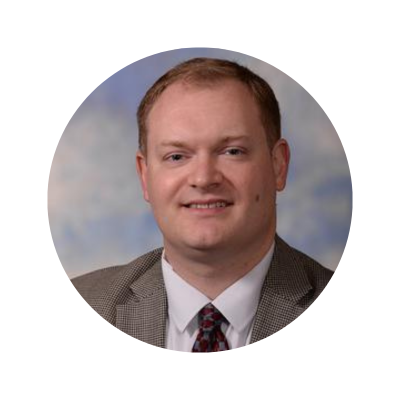
Rodney Andrews
University of Kentucky

Wesley Cate
NGL Supply Co. Ltd.
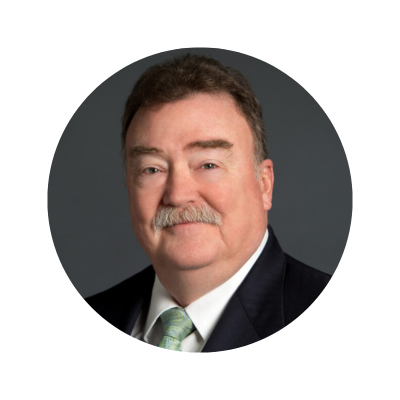
John Crockett
LGE & KU Energy LLC
3:30 p.m. – 4:00 p.m.
Legal Issues in Mineral Ownership
Modern extractive technologies have raised a number of new questions about ownership of minerals in various forms. This presentation will examine two of those questions: first, if a lease refers to “other minerals” how do you determine what that includes? And two, who owns produced water? The Texas Supreme Court recently decided Cactus Water Services, LLC v. COG Operating, finding that produced water is owned by the oil and gas well operator, not the surface owner. Could Appalachian courts reach the same conclusion or is there perhaps a different framework they may use to determine ownership issues?
4:00 p.m. – 5:00 p.m.
Moot Court Competition Finals
5:00 p.m. – 7:00 p.m.
Networking Event: Reception
Thursday, October 9, 2025
7:00 a.m. – 8:00 a.m.
Fitness Networking Event
Run/Walk
8:00 a.m. – 9:00 a.m.
Continental Breakfast
Track One – Young Professionals Track
Meeting Room 12
9:00 a.m. – 9:45 a.m.
Common Legal Issues Facing Energy Companies
An expert panel discusses common legal issues that face a variety of different types of energy companies, including the commonalities between them.

Lila Appaya
Bricker Graydon
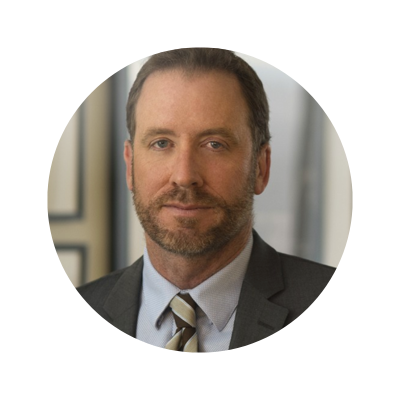
Shane Harvey
Jackson Kelly
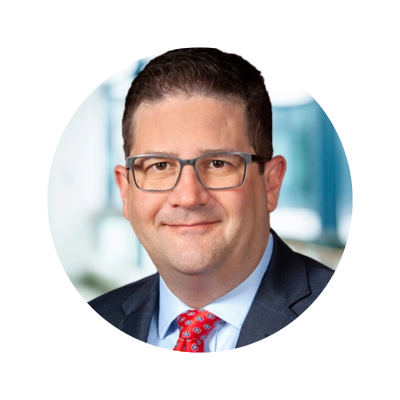
Tim McGranor
Vorys, Sater, Seymour and Pease

Ashley Pack
Dinsmore & Shohl

Larry Skryzsowski
EQT Corporation
9:45 a.m. – 10:30 a.m.
Litigating at Every Level: from Administrative Agencies to Federal Court
Attorneys find themselves practicing before a number of different types of courts, including federal courts, state courts, and also in front of administrative agencies. This panel discusses key aspects of each type of proceeding, and the differences between them.
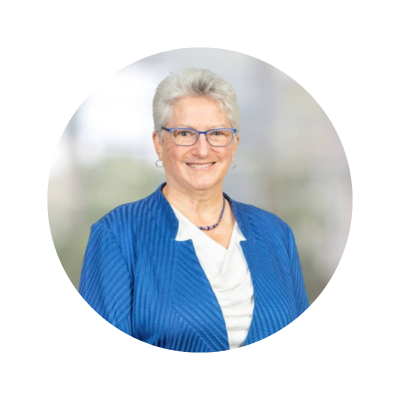
Karen Greenwell
Wyatt, Tarrant and Combs

Courtney Ross Samford
Dinsmore & Shohl

Collin Schueler
US District Court, Eastern District of Kentucky
10:30 a.m. – 10:45 a.m.
Hosted Break
10:45 a.m. – 11:15 a.m.
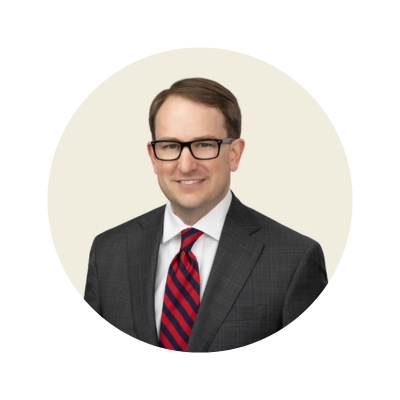
How to Read a Deed in Three (or More) Easy Steps
Lawyers read deeds every day, and many lawyers believe that this is a simple, straightforward task. But is it? In a recent Texas decision, Bush v. Yarborough, Oil & Gas, LP, 705 S.W.3d 451 (Tex. App.—El Paso 2024), the El Paso Court of Appeals applied at least 26, and maybe as many as 28, different steps in the process of construing a 1948 tax foreclosure deed. Is the process of reading deeds as complicated in the Appalachian Basin as it apparently is in Texas. This presentation will review the Bush decision and compare its reading procedures with those of Kentucky, Ohio, Pennsylvania, and West Virginia, and shed some light on just how easy is it to read a deed.
11:15 a.m. – 11:45 a.m.
Strategies for Networking and Client Development
This presentation will provide practical strategies for lawyers to strengthen their professional networks and build lasting client relationships. It will cover effective approaches to networking, from leveraging social and professional organizations to maximizing digital platforms. Attendees will learn techniques for developing authentic connections, enhancing visibility, and turning contacts into long-term clients to support sustainable business growth, while ensuring compliance with the Model Rules of Professional Conduct and jurisdiction ethics rules governing client relationships.

11:45 a.m. – 12:15 p.m.
Legal and Practical Hurdles Surrounding Lithium: The Next Extraction Revolution
As E&P companies explore participating in lithium extraction from produced water, they face many legal and business hurdles but recognize that the benefits may be tremendous. This program explores those hurdles, including overcoming title issues, lease language limitations, and other challenges by answering such fundamental questions as who owns the extracted lithium and the produced water where it resides. Just as importantly, we address the state of extraction technologies and their current scalability and sustainability limitations.

Track Two
Meeting Room 13
9:00 a.m. – 9:30 a.m.
Gas & LNG Marketing Risk Management: Legal Tools for False Majeure Claims
The presentation will cover certain drafting considerations to address dubious force majeure claims, with special emphasis on such concerns within gas, LNG and LPG marketing contracts.
9:30 a.m. – 10:30 a.m.
Regulatory and Permitting Update
This panel presentation will provide an overview of key regulatory and permitting developments affecting the energy industry. Topics will include recent updates to the National Environmental Policy Act (NEPA), the Clean Air Act’s greenhouse gas emissions endangerment finding, and Section 404 permitting under the Clean Water Act. Attendees will gain insights into how these evolving frameworks shape project planning, compliance strategies, and risk management, with a focus on practical implications for energy developers and operators. Additional panelists have been invited.

Tyler Fields
Ramaco Resources

Justin Stoll
Jones Day
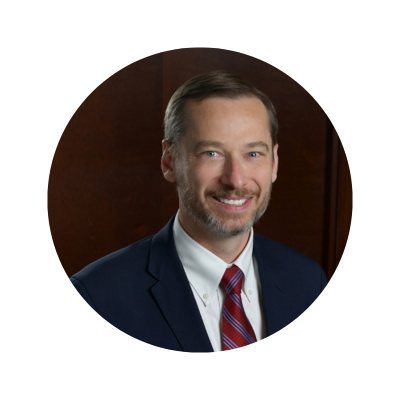
Jason Wandling
Spilman Thomas & Battle
10:30 a.m. – 10:45 a.m.
Hosted Break
10:45 a.m. – 11:15 a.m.
Show Me the Money: Recent Royalty Litigation, its Aftermath, and its Future
As litigation continues to swirl around royalties and how they’re calculated, both land owners and energy producers must pay increasing attention to the courts. With major decisions in West Virginia making the news, these cases can impact energy production across an entire state, if not industry. This discussion will cover developments in major royalty cases over the past year, what sorts of effects those cases may have on the industry, and what the industry should expect going forward.

11:15 a.m. – 11:45 a.m.
Tools for Operators to Obtain Unleased Interests in the Appalachian Basin
This presentation covers the various ways that oil and gas operators in the Appalachian Basin (specifically, Pennsylvania, West Virginia, and Ohio) obtain unleased interests for oil and gas development including through standard leasing, summary proceedings, cotenancy (on a tract basis), and unitization. While some of these tools can be used by operators on somewhat parallel paths as far as timing goes, in most instances, the timing of when to use certain tools can be of the utmost importance. This presentation will cover how each tool can be used and when. Additionally, this presentation will explain how these tools can be used together by operators to most effectively obtain unleased interests in a way that helps to speed up oil and gas development.

11:45 a.m. – 12:15 p.m.
Navigating OSHA in 2026: Enforcement Trends, Kentucky HB 398, and the Rise of Rapid Response Inspections
This session will focus on recent OSHA developments, including key federal and state enforcement trends, updates on Kentucky’s HB 398 and its implications for workplace safety regulation, and how to effectively manage the rise in OSHA Rapid Response Inspections (RRIs). Attendees will gain actionable insights on responding to RRIs, minimizing regulatory risk, and aligning internal practices with evolving state and federal expectations.