Agenda
Sunday, June 8, 2025
1:30 p.m. – 3:00 p.m.
Executive Committee Meeting Sobro Meeting Room
2:00 p.m.
Registration Check-In Opens Vanderbilt Foyer
3:30 p.m. – 5:00 p.m.
Board of Trustees Annual Meeting Vanderbilt Ballroom
5:00 p.m. – 7:00 p.m.
Networking Event: Hosted Welcome Reception L27 Rooftop Bar
Sponsored by:








Please click here for information about sponsoring this event.
9:00 p.m. – 11:00 p.m.
Networking Event: Young Professionals Gathering Pins Mechanical Company
Join us at Pins Mechanical Company, 1102 Grundy St, https://www.pinsbar.com/locations/nashville for an informal gathering hosted by the Young Professionals Committee. All are welcome!
Sponsored by
Monday, June 9, 2025
General Session
7:00 a.m.
Registration Check-In Opens Vanderbilt Foyer
7:30 a.m. – 8:30 a.m.
Continental Breakfast Sobro Meeting Room — Please click here for information about sponsoring this event.
8:45 a.m. – 9:15 a.m.
Conference Welcome



9:15 a.m. – 10:15 a.m.
The First 100 Days of the Trump Administration
An update on actions taken in the first 100 days of the Trump Administration that impact the energy industry, including tariffs and market impacts; relevant executive orders and any associated litigation; regulatory actions including the National Environmental Policy Act, the Waters of the US definition, permitting, and safety; and labor and employment law updates.




10:15 a.m. – 10:30 a.m.
Hosted Break Vanderbilt Foyer
Sponsored by:
10:30 a.m. – 11:00 a.m.
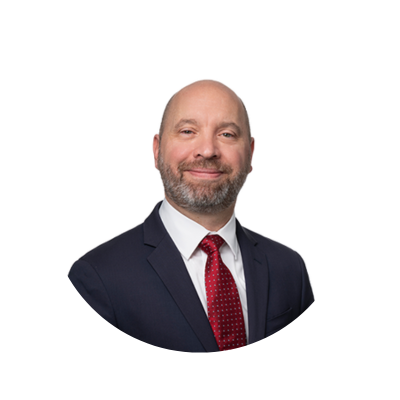
DEI Under Fire: Legal Implications and Best Practices
The current administration has taken a strong opposition on diversity, equity and inclusion (“DEI”) efforts in the workplace. An executive order issued in February demonstrates that the Trump administration will use varying legal means in attempts to dismantle private companies’ DEI programs. Of particular concern for any entity doing business with the federal government is the potential use of the False Claims Act against employers that have DEI programs as such claims can bring treble damages and significant monetary reward to “whistleblowers.” In addition, the Trump administration has specifically targeted law firm DEI programs. This discussion will cover these topics, with an emphasis on how this may impact energy companies and the law firms that serve them.
11:00 a.m. – 11:45 a.m.
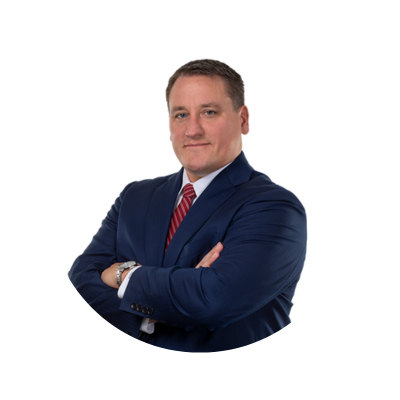
Powering Data Centers
Data center is fast becoming a household term.
Nearly everyone in the modern world benefits from data centers. As the “backbone” of digital infrastructure, data centers are becoming more and more critical in meeting the demands of the modern digital world. With advances in artificial intelligence (AI) and the increased reliance on computing by people all over the world, demand for data centers is outpacing supply.
We are in a global modern-day gold rush to build data centers. And just as the 49ers faced infrastructure challenges of the day, data center developers are facing a critical infrastructure obstacle: energy.

12:00 p.m. – 1:15 p.m.
Hosted Lunch Sobro Meeting Room
EMLF Scholarship Recipient Recognition Anna Girard Fletcher, EMLF Executive Director
Focus on Emerging Technologies Thomas Ryan, K&L Gates, and Joe Carnicella, Westinghouse Electric Company, in conversation about the new and emerging technologies in the nuclear industry.

Sponsored by:

1:30 p.m. – 2:30 p.m.
Hot Topics in Legal Ethics 2025
Technology moves at a lightning pace, while the law plods along to catch up, including both substantive law and legal ethics. Leveraging technology, attorneys are increasingly working from home and other remote locations, and communicating and meeting virtually. This session will explore selected current ethics issues arising from lawyers’ use (and nonuse) of emerging technologies and mobility, including competence in technology, avoiding fraud and scams, and multijurisdictional/national practice.

2:30 p.m. – 2:45 p.m.
Hosted Break Vanderbilt Foyer
Sponsored by:

2:45 p.m. – 3:15 p.m.
2024- 2025 Energy Law Case Update
An overview of the latest developments in case law affecting the energy industry, including procedural and practical developments guiding the best practices for both litigation and transactions.

3:15 p.m. – 4:00 p.m.
Fossil Energy Lending, Climate Litigation, and Shareholder Pressure for Fossil Divestiture: Financing Energy Projects in the Twenty-First Century
This topic will cover recent developments in the law of fossil energy financing by banks and financial institutions. It will include an overview of recent litigation related to alleged discrimination by banks against energy companies pursuing financing for fossil energy projects, as well as relevant regulatory changes to banking and project finance law. It will conclude with a discussion of recent federal action related to shareholder proposals for corporate divestiture of fossil energy company assets. This presentation will be tailored to transactional practitioners and those who advise fossil energy companies on corporate strategy, business planning, and legal liability to shareholders.

4:00 p.m. – 4:30 p.m.
A Guide to Asset-Based Securitization Transactions
With access to traditional capital sources becoming increasingly constrained in the upstream oil and gas sector, operators are increasingly turning to alternative financing arrangements to generate cash. Among the chief financing structures gaining popularity in the industry are asset-backed securitization (ABS) transactions, which allow producers to convert physical reserves into financial instruments. Ryan Purpura and Ryan Haddad, partners at Blank Rome LLP, will lead a discussion between leading lawyers and in-house counsel outlining the challenges and opportunities in pursuing ABS transactions in the industry, including an overview of typical transaction structures and documentation, commercial considerations and participants, and a comparison of ABS deals against traditional debt and equity financing arrangements.


4:30 p.m. – 5:30 p.m.
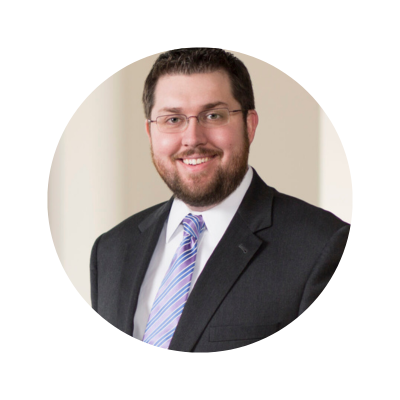
Ethics: Utilizing Advanced Analytics to Optimize Document Review: Technology is Your Friend- and your Duty
As data within corporations continues to explode due to the use of workplace collaboration tools, mobile devices, and other online repositories, the need to leverage technology as a means to identify what is most important during pretrial discovery is certainly heightened. Utilizing algorithms that “learn” from the reviewers’ coding decisions, “active learning” technology within document review software programs, when structured the right way, can lead to more accurate review results compared to manual review, with less overall cost. Courts, too, have declared that attorneys can utilize this technology, obviating the need for attorneys’ eyes to be laid on every document in a review set. Attorneys must navigate the best use of these technological developments in light of the fact that Rule 1.1 of the Model Rules of Professional Conduct provides that the Duty of Competence implies a duty to be aware of benefits and risks of relevant technology. Join this interactive session where we’ll explain different forms of analytics, provide examples of how the technology has been used to optimize review, and overview judicial and ethical opinions addressing litigants’ use of such technology.

5:30 p.m. – 7:30 p.m.
Hosted Happy Hour Sobro Meeting Room and Foyer
Sponsored by:
7:00 p.m. – 10:00 p.m.
Dinearounds
Sign up to join other conference attendees at a table at one of several local restaurants. A great opportunity to get to know new people and enjoy delicious food! Sign up information will be sent to registrants prior to conference. Dinearound meal cost is not included in conference registration fee.
Wifi and Conference Hub Sponsor
Charging Station Sponsor
Lanyard Sponsor

Notepad Sponsor
Coffee Station Sponsor

Conference Tote Bag Sponsor

Conference Tote Bag Sponsor

Tuesday, June 10, 2025
7:15 a.m.
Fitness Networking Event
Join conference attendees for a morning fitness activity.
7:30 a.m.
Registration Area Opens Vanderbilt Foyer
8:00 a.m. – 9:00 a.m.
Continental Breakfast Sobro Meeting Room — Please click here for information about sponsoring this event.
Track One
Vanderbilt Meeting Room 1&2
9:00 a.m. – 9:30 a.m.
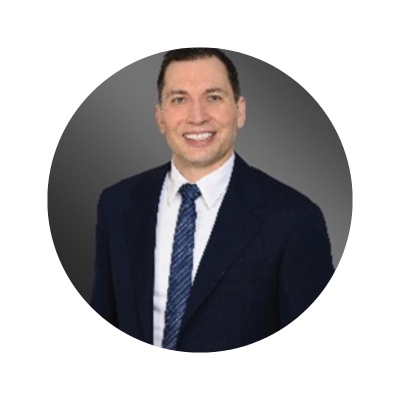
Challenging Agency Actions post-Loper Bright
This program offers an overview of strategies for challenging agency actions, regulations, and legal interpretations following the Supreme Court’s pivotal and widely debated decision in Loper Bright v. Raimondo, 603 U.S. 369 (2024). The presenters will provide practical guidance on how to challenge an agency’s failure to comply with APA notice and comment procedures for new regulations, demonstrate that an agency has exceeded its statutory authority, establish that an agency’s actions are arbitrary and capricious, contest an agency’s interpretation of statutes and regulations, seek discovery from agencies and raise challenges before agency adjudicators.

9:30 a.m. – 10:00 a.m.
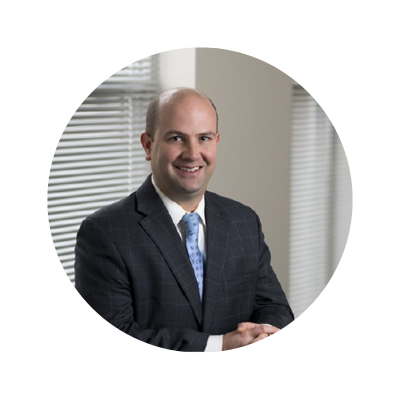
Where There’s Smoke, There’s Potential Liability: Understanding Your Exposure to Wildfire Litigation
After record breaking wildfire seasons throughout the United States, lawsuits have flooded the dockets of state and federal courts. Wildfire liability determinations are complex, with numerous parties potentially implicated, and the consequences for defendant companies can be momentous given the potential for exorbitant damage awards. This presentation analyzes the history of wildfire litigation, the legal theories prevalent in wildfire litigation, and the complex fault determinations that arise in these cases. The presentation also discusses that while most wildfire litigation has arisen in the western United States, energy companies throughout the United States should be aware of the potential for liability.

10:00 a.m. – 10:30 a.m.
Where Did the Lawyers Go? Managing Project Contracts to Avoid Litigation
When it comes to drafting and negotiating the terms that govern large-scale energy infrastructure projects—be it natural gas, coal, renewables, nuclear, etc.—lawyers are a big help (or a big pain, depending on your perspective). Too often, though, the lawyers disappear after the final contract is signed, leaving the contractors and engineers to deal with change orders, claim letters, and numerous other challenges that could result in litigation if not handled properly. This session will provide a framework for effectively managing contracts once a project breaks ground, with the goal of mitigating risk and avoiding expensive disputes down the road.

10:30 a.m. – 10:45 a.m.
Hosted Break Vanderbilt Foyer — Please click here for information about sponsoring this event.
10:45 a.m. – 11:30 a.m.
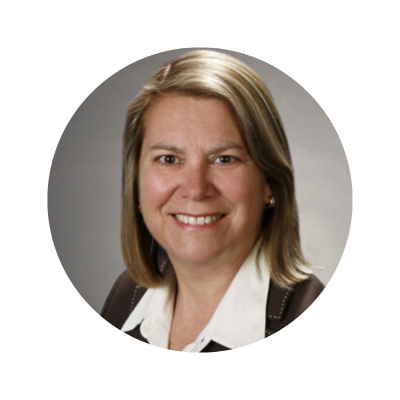
A Deep Dive in to Class Action and Multidistrict Litigation
A look at how the rise of class action and multidistrict litigation has impacted not only the energy industry, but other industries that have similarly been influenced by this litigation strategy. The topic examines the way the industries have changed in response, and the practical realities of management of a class action matter including payouts, class settlement, attorneys’ fees and more.
Additional panelists have been invited.

11:30 a.m. – 12:15 p.m.
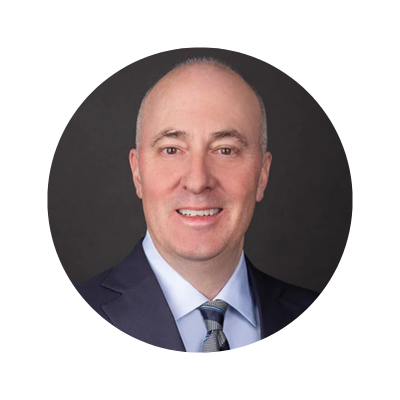
What To Do When Disaster Strikes: Responding To Emergency Events and Protecting Energy Property When Every Federal and State Regulatory Agency Wants To Tell You What To Do and When To Do It.
This topic will look at what happens when a fire, explosion, inundation or other catastrophic event cause the loss of an key energy asset and what the company can, must and should do in response. The topic will look at: 1) the various control orders of state and federal mining and safety agencies; 2) how to resolve disputes and what venues are available for litigation when you cannot reach an agreement with a regulator; 3) traditional issues owners have to address to preserve evidence, keep stockholders informed while at the same time, preparing for criminal investigations, defending civil cases and product liability claims, 4) consider company claims against third parties and preparing for litigation from injured workers all at the same time you are talking to state and federal governmental officials to keep them informed and keeping employees, their families and media updated in the world of 24-hour news cycles.

Track Two
Vanderbilt Ballroom 3, 4 & 5
9:00 a.m. – 9:30 a.m.
Negotiating Software and Licensing Agreements for the Non-Intellectual Property Lawyer
As the benefits of technology continue to rise, energy companies are receiving a higher number of software and licensing agreements for review. These software products and services allow energy companies to streamline their operations and provide added protection, efficacy, and value. For example, there is an influx into the market of software based products supporting invoice/cost analysis, safety performance, managing SCADA data, well optimization, environmental monitoring and benchmarking, and geosteering operations. Non-intellectual property lawyers may be called upon to handle such agreements for their E&P clients. But lawyers whose practices mainly involve drafting and negotiating oil & gas service, production, drilling, and other upstream agreements may find themselves unprepared for dealing with the intricacies of Software as a Service (“SaaS”), oddly limited (or no) warranties, limited infringement indemnities, severe limitations of liability, and reference to (and compliance with) third party terms and conditions. This presentation would give a “basic +” understanding of the different types of software and licensing agreements, the pitfalls in such agreements, and proposed modifications to such agreements, all helping to round out the education of the energy lawyer or contracts manager.


9:30 a.m. – 10:00 a.m.
Quandaries Involving Apportionment
Apportionment, or lack thereof, addresses the issue of who receives the royalties derived from an oil and gas lease in the event that the oil and gas is subdivided. This presentation will address scenarios where apportionment, or the lack thereof, may produce conflicting and surprising results. Additionally, the panel will address a list of possible factors to analyze before rendering advice to a client.



10:00 a.m. – 10:30 a.m.
M&A Trends in the Energy Industry
This presentation discusses trends impacting the energy industry, including the change of administration and the focus of energy companies in technological integration. The discussion will also cover potential impacts we may see on energy transactions in 2025 and beyond.

10:30 a.m. – 10:45 a.m.
Hosted Break Vanderbilt Foyer — Please click here for information about sponsoring this event.
10:45 a.m. – 11:30 a.m.
JOAs and Pitfalls
Panel discussion of issues that arise with joint operating agreements.


11:30 a.m. – 12:15 p.m.
The Land Acquisition Lifecycle for Pipeline Rights of Way: Negotiation, Condemnation, Valuation, and Beyond
Learn the best practices, recent instructive cases, and other strategic considerations for maximizing success in the process of land acquisition for oil and gas rights of way. The lifecycle in this presentation encompasses initial landowner negotiations, acquisition through condemnation, determination of just compensation, and other key considerations for maintaining rights and long-term access.